Joseph Cheshire Cotten Jr. (May 15, 1905 – February 6, 1994) was an American film, stage, radio and television actor. Cotten achieved prominence on Broadway, starring in the original stage productions of The Philadelphia Story (1939) and Sabrina Fair (1953). He gained worldwide fame for his collaborations with Orson Welles on films Citizen Kane (1941), The Magnificent Ambersons (1942), and Journey into Fear (1943). Cotten starred in the latter and was also credited with the screenplay.
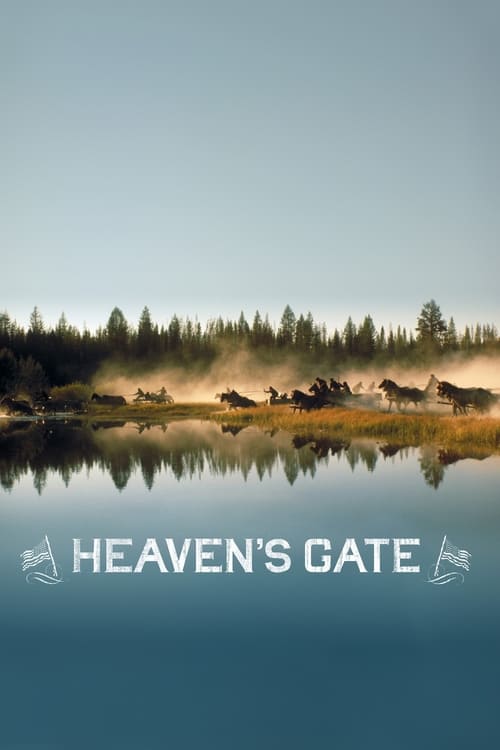
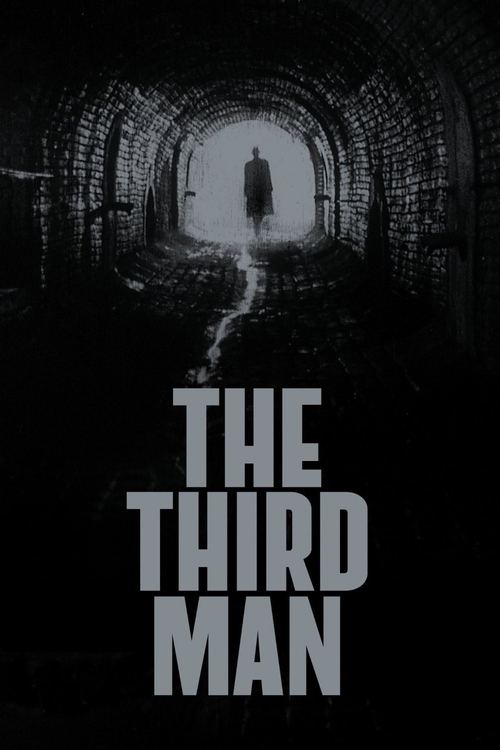
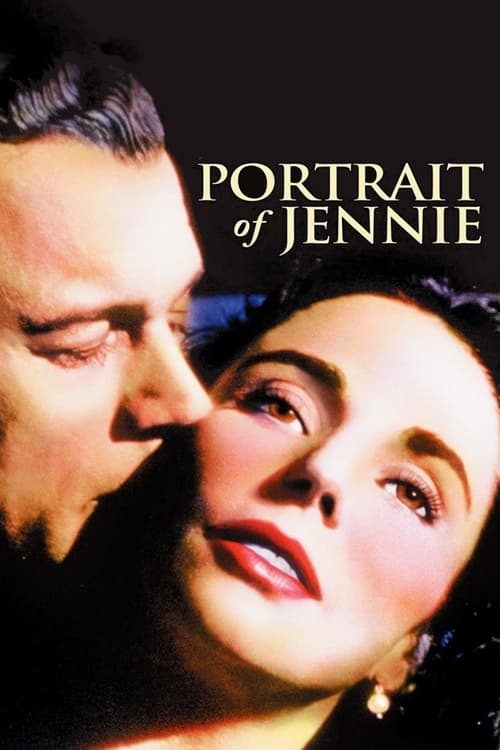
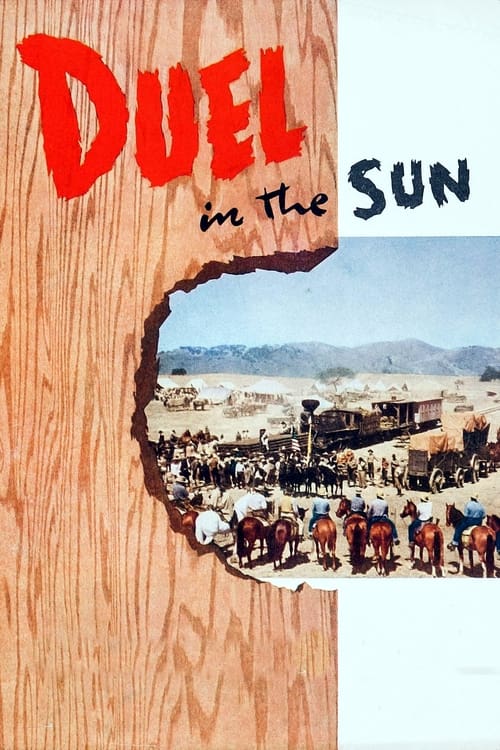
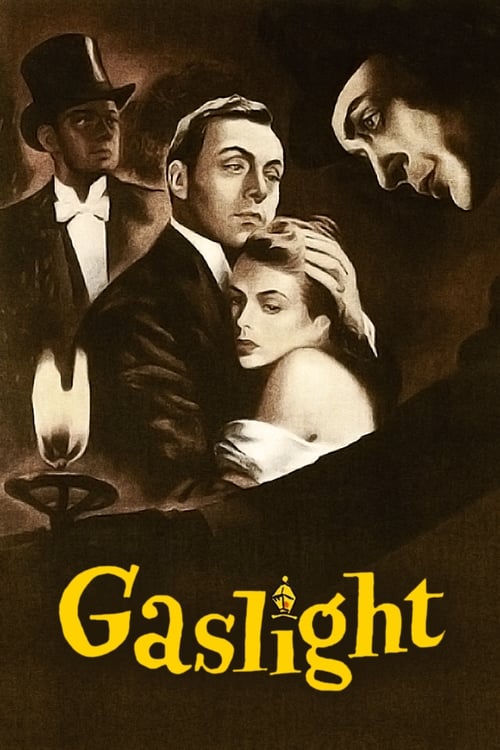
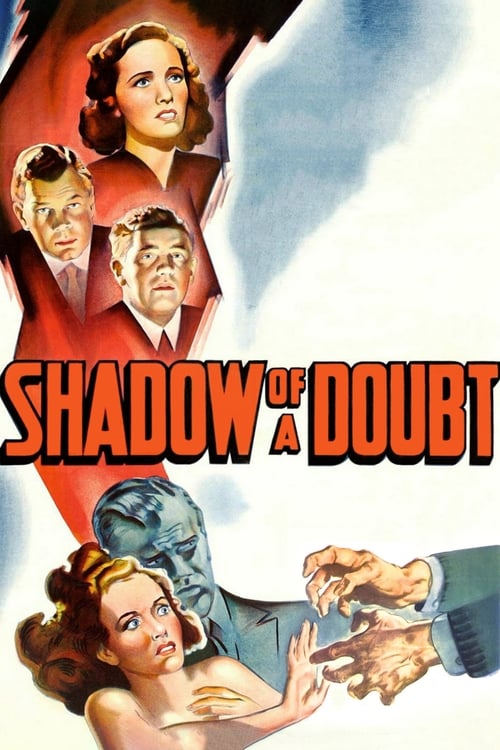
Cotten became one of the leading Hollywood actors of the 1940s, appearing in films such as Shadow of a Doubt (1943); Gaslight (1944); Love Letters (1945); Duel in the Sun (1946); The Farmer's Daughter (1947); Portrait of Jennie (1948), for which he won the Volpi Cup for Best Actor; The Third Man (1949), alongside Welles; and Niagara (1953). One of his final films was Michael Cimino's Heaven's Gate (1980).
Film critics and media outlets have cited him as one of the best actors never to have received an Academy Award nomination.
Contents
Early life
Joseph Cheshire Cotten Jr. was born on May 15, 1905, in Petersburg, Virginia, United States, the first of three sons born to Joseph Cheshire Cotten Sr., an assistant postmaster, and Sally Willson Cotten. He had two brothers, Whitworth W. "Whit" and Samuel W. Cotten. Both were engineers. Cotten grew up in the Tidewater region and showed an aptitude for drama and a gift for storytelling.
In 1923, when Cotten was 18, his family arranged for him to receive private lessons at the Hickman School of Expression in Washington, D.C., and underwrote his expenses.
Cotten earned spending money playing professional football on Sundays, for $25 a quarter. After graduation, he earned enough money as a lifeguard at Wilcox Lake to pay back his family's loan, with interest. He moved to Miami in 1925 and worked as an advertising salesman for The Miami Herald at $35 a week. He started performing at the Miami Civic Theatre, and worked there for five years, also reviewing the shows for the Herald.
Cotten served in the First Motion Picture Unit of the U.S. Army Air Forces during World War II.
Career
1932–1939: Broadway and film debuts
Cotten moved to New York and worked for David Belasco as an assistant stage manager. He was an understudy to Melvyn Douglas in Tonight or Never, then succeeded Douglas in the lead role for the Copley Theatre in Boston, where he worked on and performed in over 30 plays. Cotten struggled to find work during the Depression, so he turned to modeling through the Walter Thornton Model Agency and acted in industrial films. He also performed on radio. Cotten made his Broadway debut in 1932 in Absent Friends which ran for 88 performances. He followed it with Jezebel (1933), staged by Katherine Cornell and Guthrie McClintic, which only had a short run. He was in Loose Moments which ran for 8 performances.
In 1934, Cotten met and became friends with Orson Welles, a fellow cast member on CBS Radio's The American School of the Air. Welles regarded Cotten as a brilliant comic actor, and gave him the starring role in his Federal Theatre Project farce, Horse Eats Hat (September 26 – December 5, 1936). Cotten was sure that Horse Eats Hat won him the notice of his future Broadway co-star, Katharine Hepburn. Cotten said Welles later told him "You're very lucky to be tall and thin and have curly hair. You can also move about the stage without running into the furniture. But these are fringe assets, and I'm afraid you'll never make it as an actor. But as a star, I think you well might hit the jackpot."
In 1937, Cotten became an inaugural member of Welles's Mercury Theatre company, starring in its Broadway productions Caesar as Publius; it ran for 157 performances. He followed it with The Shoemaker's Holiday (1938) and Danton's Death (1938) for Welles. Cotten also performed in radio dramas presented on The Mercury Theatre on the Air and The Campbell Playhouse. That same year Cotten made his film debut in the Welles-directed short, Too Much Johnson (1938), a comedy that was intended to complement the aborted 1938 Mercury stage production of William Gillette's 1894 play. The film was never screened in public and was lost until 2008 (and then screened in 2013 at the Pordenone Silent Film Festival).
Cotten returned to Broadway in 1939, creating the role of C. K. Dexter Haven opposite Katharine Hepburn's Tracy Lord in the original production of Philip Barry's The Philadelphia Story. The play ran for 417 performances at the Shubert Theatre, and in the months before its extensive national tour a film version was to be made by MGM. Cotten went to Hollywood, but discovered there that his stage success in The Philadelphia Story translated to, in the words of his agent Leland Hayward, "spending a solid year creating the Cary Grant role." Hayward suggested that they call Cotten's good pal, Orson Welles. "He's been making big waves out here", Hayward said. "Maybe nobody in Hollywood ever heard of the Shubert Theatre in New York, but everybody certainly knows about the Mercury Theatre in New York."
1940–1949: Leading film roles
After the success of Welles's War of the Worlds 1938 Halloween radio broadcast, Welles gained a unique contract with RKO Pictures. The two-picture deal promised full creative control for the young director below an agreed budget limit, and Welles's intention was to feature the Mercury Players in his productions. Shooting had still not begun on a Welles film after a year, but after a meeting with writer Herman J. Mankiewicz Welles had a suitable project.
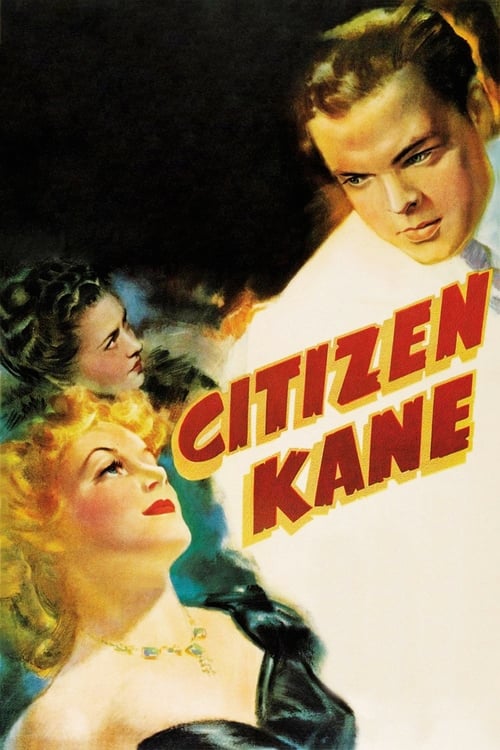
In mid-1940, filming began on Citizen Kane, portraying the life of a press magnate (played by Welles) who starts out as an idealist but eventually turns into a corrupt, lonely old man. The film featured Cotten prominently in the role of Kane's best friend Jedediah Leland, eventually a drama critic for one of Kane's papers.
When released on May 1, 1941, Citizen Kane – based in part on the life of newspaper magnate William Randolph Hearst– did not do much business at theaters; Hearst owned numerous major newspapers, and forbade them to carry advertisements for the film. Nominated for nine Academy Awards in 1942, the film won only for Best Screenplay, for Mankiewicz and Welles. Citizen Kane launched the film careers of the Mercury Players, including Agnes Moorehead (who played Kane's mother), Ruth Warrick (Kane's first wife), and Ray Collins (Kane's political opponent). However, Cotten was the only one of the four to find major success as a lead in Hollywood outside of Citizen Kane; Moorehead and Collins became successful character film actors. Moorehead starred in Bewitched and Warrick spent decades in a career in daytime television, specifically All My Children.
The Los Angeles Times, in an otherwise mixed review of the film, said that "Cotten's work is vital and distinctive ... He is an important 'find.'" Alexander Korda hired him to play Merle Oberon's leading man in Lydia (1941). "I didn't care about the movies, really", Cotten said later. "I was tall. I had curly hair. I could talk. It was easy to do."
Cotten starred in Welles's adaptation and production of The Magnificent Ambersons (1942). After the commercial disappointment of Citizen Kane, RKO was apprehensive about the new film, and after poor preview responses, cut it by nearly an hour before its release. Though at points the film appeared disjointed, it was well received by critics. Despite the critical accolades Cotten received for his performance, he was again snubbed by the academy.
1950–1969: Established actor
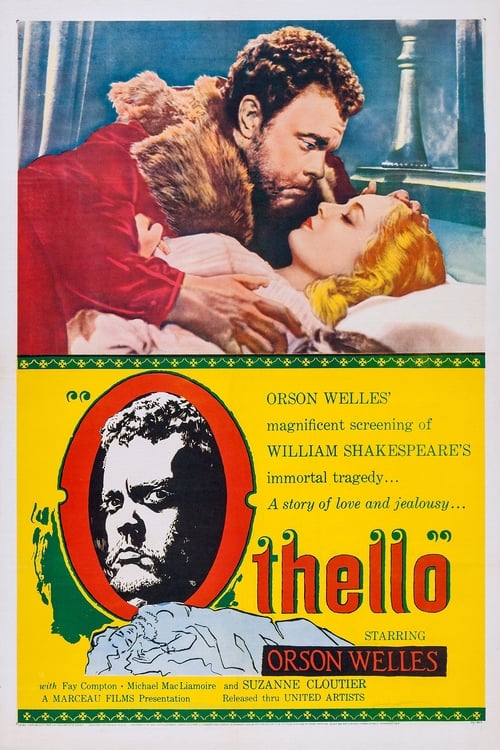
Cotten co-starred with Joan Fontaine in September Affair (1950) for Hal Wallis. Selznick loaned him to 20th Century Fox for the dark Civil War Western Two Flags West (1950), then to RKO for Walk Softly, Stranger (1950, shot in 1948) which reunited him with Alida Valli from The Third Man. It was a flop. At Fox he did Half Angel (1951) with Young, then did another with Wallis at Paramount, Peking Express (1951) and went to MGM for The Man with a Cloak (1951) with Barbara Stanwyck. He had a cameo in Welles' Othello (1951).
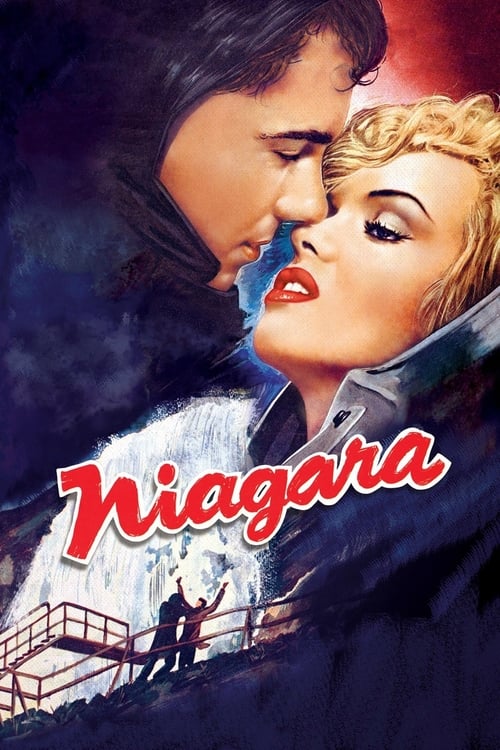
Cotten did a Western at Universal, Untamed Frontier (1953), during the filming of which he was injured. He did a thriller for Andrew L. Stone, The Steel Trap (1952), which reunited him with Teresa Wright from Shadow of a Doubt. At Fox he was in the Marilyn Monroe vehicle Niagara (1953), after James Mason turned down the role. He narrated Egypt by Three (1953) and was reunited with Stone in A Blueprint for Murder (1953).
On the stage in 1953, Cotten created the role of Linus Larrabee Jr. in the original Broadway production of Sabrina Fair, opposite Margaret Sullavan. The production ran from November 11, 1953, until August 21, 1954, and was the basis of the Billy Wilder film Sabrina, which starred Humphrey Bogart and Audrey Hepburn. He and Sullavan appeared in a TV production of State of the Union for Producers' Showcase, directed by Arthur Penn.
Cotten made Special Delivery (1955) in West Germany and appeared in a TV adaptation of Broadway for The Best of Broadway (1955), directed by Franklin J. Schaffner. He appeared in episodes of several TV anthology series, a popular format of the era, including Celebrity Playhouse, The Ford Television Theatre, Star Stage, Alfred Hitchcock Presents (three episodes) and General Electric Theater.
In 1955, Cotten hosted The 20th Century Fox Hour on television. In 1956, he introduced and occasionally starred in his own anthology NBC series, On Trial. Because it was popularly known as The Joseph Cotten Show, it was retitled mid-run to The Joseph Cotten Show: On Trial. It ran for 41 episodes through 1959, with Cotten appearing in at least 20.
He returned to features with The Bottom of the Bottle (1956), The Killer Is Loose (1957) and The Halliday Brand (1957). He guest-starred on Jane Wyman Presents The Fireside Theatre, Telephone Time, Playhouse 90, Schlitz Playhouse, Zane Grey Theater, Suspicion and Westinghouse Desilu Playhouse. He made a cameo appearance in Welles's Touch of Evil (1958) and a starring role in the film adaptation of Jules Verne's From the Earth to the Moon (1958). Cotten had another success on Broadway when he appeared in Once More, With Feeling (1958–60), which ran for 263 performances. For the third time, Cotten was in a Broadway hit but did not reprise his role in the film version; Yul Brynner played the part on screen.
1970–1981: Later and final roles
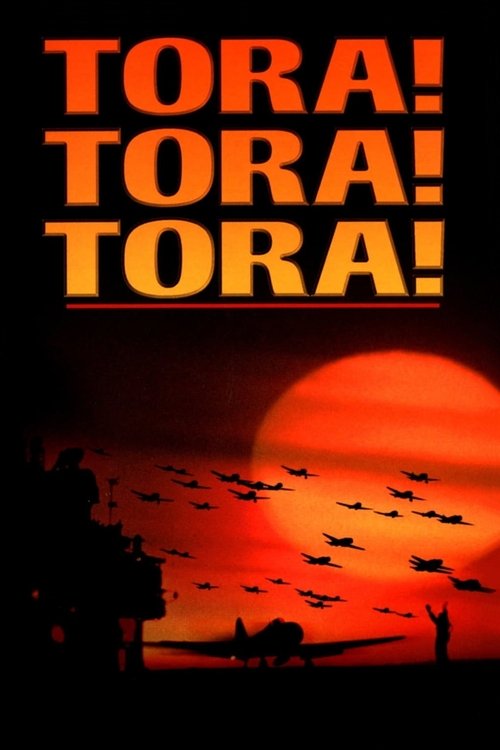
Cotten appeared in The Name of the Game, It Takes a Thief, NET Playhouse, The Grasshopper (1970), Tora! Tora! Tora!, The Virginian, Assault on the Wayne (1971), Do You Take This Stranger? (1971), City Beneath the Sea (1971), The Abominable Dr. Phibes (1971), Lady Frankenstein (1971) and The Screaming Woman (1972) with de Havilland.
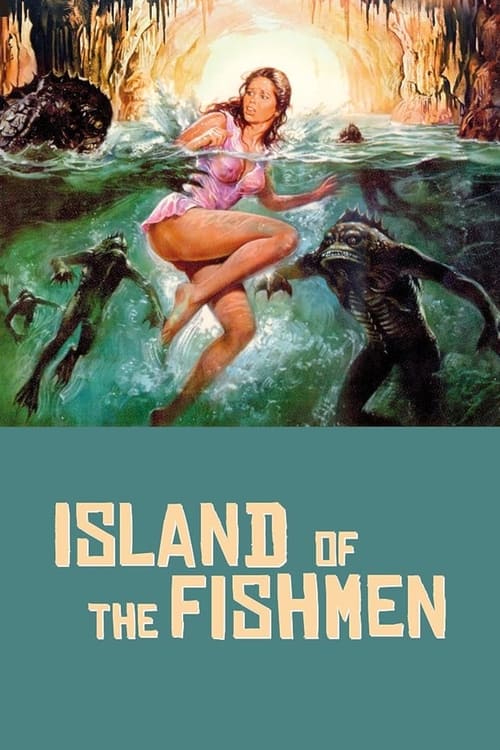
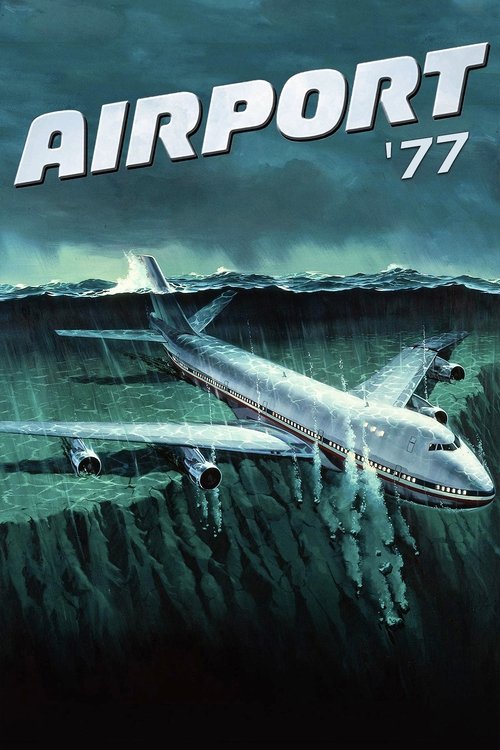
He had lead roles in Doomsday Voyage (1972), Baron Blood (1972), and The Scopone Game (1973) and was in The Devil's Daughter (1973), The Streets of San Francisco, Soylent Green (1973), A Delicate Balance (1973), The Rockford Files, Syndicate Sadists (1975), The Timber Tramps (1975), The Lindbergh Kidnapping Case (1976), A Whisper in the Dark (1976), Origins of the Mafia (1976), Twilight's Last Gleaming (1977) for Aldrich, Airport '77, Aspen (1977), The Hardy Boys/Nancy Drew Mysteries, Last In, First Out (1978), Caravans (1978), The Perfect Crime (1978), Island of the Fishmen (1979), Concorde Affaire '79 (1979), Guyana: Cult of the Damned (1979), Churchill and the Generals (1979), Tales of the Unexpected and Fantasy Island.
Cotten later admitted, "I was in a lot of junk. I get nervous when I don't work."
Cotten's final performances include in George Bower's supernatural horror film The Hearse (1980), the ABC television movie Casino (1980), Michael Cimino's Heaven's Gate (1980), multiple episodes of The Love Boat (1981), The Survivor (1981), shot in Australia and Delusion (1981).
Personal life
Cotten married Lenore Kipp in 1931. She died of leukemia in early 1960. He adopted Kipp's daughter, Judith Lenore LaMonte, from Kipp's previous marriage. He married British actress Patricia Medina on October 20, 1960, in Beverly Hills at the home of David O. Selznick and Jennifer Jones. He bought a historic 1935 home in the Mesa neighborhood of Palm Springs, California, where he and his wife lived from 1985 to 1992.
In 1961, Cotten was admitted to the Society of the Cincinnati in North Carolina based on his descent from Captain Hudson Whitaker, Seventh Regiment, North Carolina Continental Line. He held Captain Whitaker's hereditary seat until his death in 1994.
Illness and death
On June 8, 1981, Cotten experienced a heart attack followed by a stroke that affected his brain's speech center. He began years of therapy that restored his ability to speak. As he began to recover, he and Welles talked on the phone each week for hours.
In 1990, Cotten's larynx was removed because of cancer. He died on February 6, 1994, of pneumonia at the age of 88. He was buried at Blandford Cemetery in Petersburg, Virginia.
Accolades and legacy
At the 10th Venice International Film Festival, Cotten was awarded the Volpi Cup for Best Actor for his performance in the film Portrait of Jennie (1948). He was also given a star on the Hollywood Walk of Fame in 1960.
Cotten was portrayed by Tim Robbins in the 1985 TV film Malice in Wonderland, by James Tupper in the film Me and Orson Welles (2008) and by Matthew Glave in the television series Feud (2017), which depicts the filming of Hush...Hush, Sweet Charlotte.