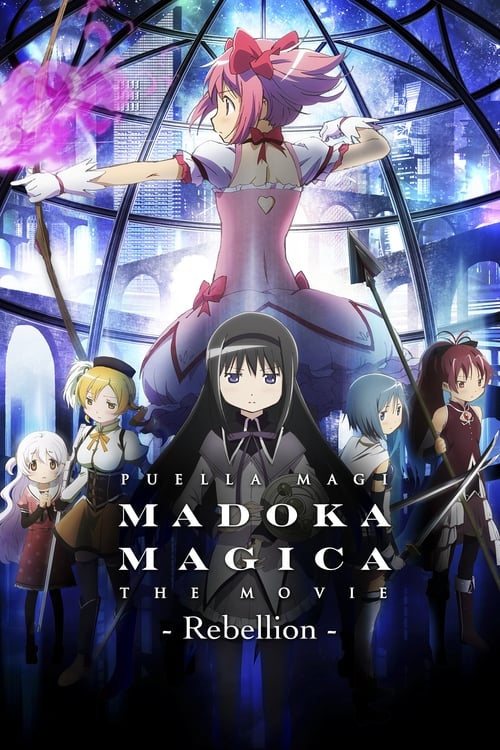
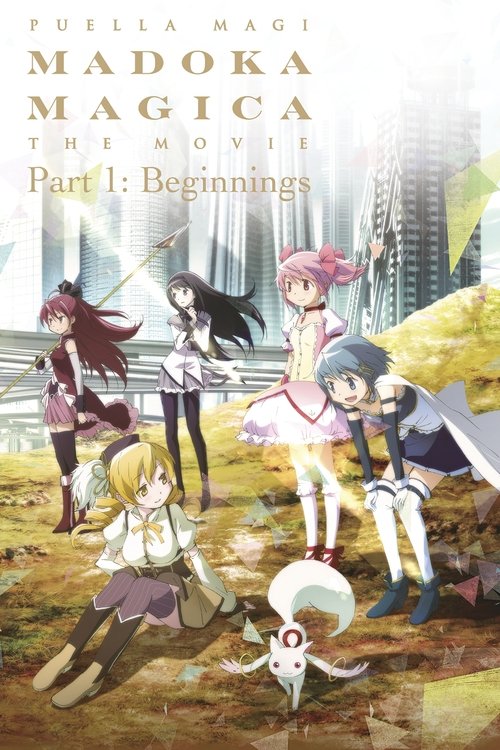
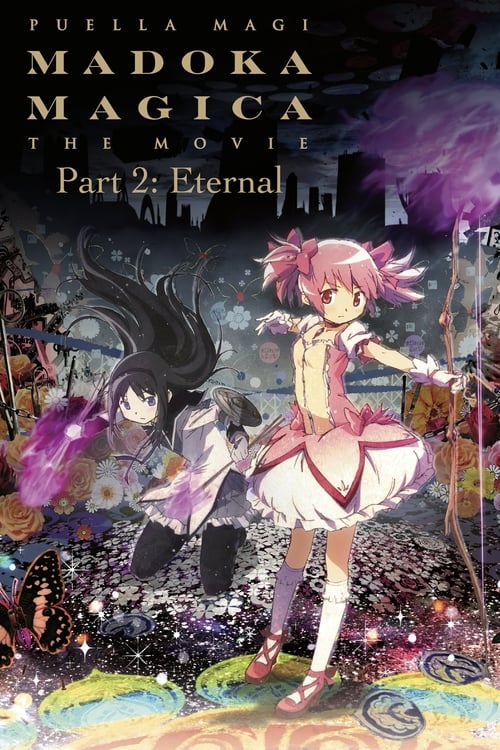
Yukihiro Miyamoto (Japanese: 宮本 幸裕, Hepburn: Miyamoto Yukihiro; born November 21, 1977), occasionally nicknamed Otokomatsuri, is a Japanese anime director. He started at animation studio Vega Entertainment, and later joined Shaft. He is best known for directing Puella Magi Madoka Magica and its subsequent film trilogy alongside Akiyuki Shinbo, the latter trilogy which subsequently garnered ¥2 billion, making it a box-office success.
Contents
Early life
Miyamoto was interested in anime and manga from a young age and was particularly interested in timing processes regarding characteristics like lip-sync timing or footstep sounds and whether they aligned with the screen images. He was originally interested in becoming a manga artist, but joked that his poor drawing skills and lack of storytelling ideas were an obstacle for him. After high school, he went to a science-based university as per his parents' wishes but found that he still loved animation, so he went to a vocational school, Yoyogi Animation Academy. At vocational school when he was around 22 or 23. Most students at the vocational school had just come out of high school and were in their late teens, while Miyamoto was in his early 20s. There, he had vague aspirations of joining the anime industry, but hadn't put much thought into what goes into anime production and how many people and different departments were involved. It was there that he met Doroinu, a younger student, who would later be one of his collaborators as one-half of Gekidan Inu Curry.
Career
After graduating from vocational school, he joined the anime industry in 2002 as a production manager and assistant director for Vega Entertainment on their adaptation of Leiji Matsumoto's Gun Frontier manga series. In 2003 and 2004, he debuted as an episode director and storyboard artist (respectively) with F-Zero: GP Legend, and started directing Vega's outsourced episodes for Madhouse at the time too.
Around 2006, Miyamoto left Vega and went freelance due to the difficulties of the job. Shaft director Shin Oonuma was looking for an episode director for Negima!? (2006); and Miyamoto's acquaintance from vocational school who worked for Shaft, Zen Nagata, previously asked him to direct for the company. Despite the fact that he left Vega because of the tough work, he described Shaft as an even tougher company and was looking to leave following his work on the first season of Sayonara, Zetsubou-Sensei. Despite this, he stayed after receiving a scolding from a director at another company, and decided that he would rather stick around Shaft than potentially end up at an even tougher company. He studied under director Shin Oonuma for about a year and quickly became a prominent director alongside Akiyuki Shinbo, Oonuma, and Tatsuya Oishi. In 2008, Miyamoto was given the task of chief episode director for (Zoku) Sayonara, Zetsubou-Sensei working alongside assistant director Naoyuki Tatsuwa under Shinbo. Miyamoto brought on Gekidan Inu Curry, a two-member group consisting of animator 2shiorinu and his close friend from vocational school Doroinu, to do one of the opening animations for the third season. He described his role on the series as being like a "handyman" who did miscellaneous tasks like attending art meetings and dubbing sessions when Tatsuwa was unable to, and also was responsible for overseeing and directing some parts to all episodes, including various parts of the openings and endings. Tatsuwa also had Miyamoto check some of his work and issue revisions when possible. Partway through production, Miyamoto lost his house and had to move; and between that time, he stayed and slept at the Shaft office.
In the following years, Miyamoto directed several more series with Shinbo like Maria Holic in 2009 and Arakawa Under the Bridge in 2010 (both with Miyamoto acting as series director); and in 2011, they directed Puella Magi Madoka Magica which became a critical hit and, alongside Bakemonogatari, is considered to be one of the series that pushed the studio into the spotlight. Prior to joining the series' staff, he had known that the project was underway due to seeing the production materials, like Gekidan Inu Curry's production designs, next to the copy machine at the Shaft office while he was working on Arakawa Under the Bridge. Eventually, Miyamoto was given the role of series director again and joined the Madoka Magica project 3–4 months before the series started airing. During this time, Miyamoto also created a "Shaft directing manual" for first-time outside directors and younger staff to help them with directing Madoka and subsequent series with the so-called "Shaft style."
Style
Miyamoto described himself as being a "heretic" at Shaft—someone who, in a company of many differing and idiosyncratic directors, is only good at doing "plain work", and isn't particularly original or creative. Shinbo described Miyamoto in a similar way, but said that he was more like a professional craftsman who leaves their mark in places that cannot be seen. Miyamoto humorously joked about being a "career director" or a "soldier" who simply follows orders given to him. He said that he does have creative ideas and thoughts regarding the material he works on, but that whether or not he actually implemented any of it was a different matter. Most of the work Miyamoto does of his own volition is changes to colors, timing, and other miscellaneous choices. Due to Miyamoto's meticulous "soldier" stance, Anime Style editor-in-chief Yūichirō Oguro joked that if he wanted to, Miyamoto could go to Studio Ghibli and direct like Hayao Miyazaki. Shaft visual effects artist Motoki Sakai and animator Kazuhiro Oota also both independently compared Miyamoto to a GM from Mobile Suit Gundam. Shinbo said that Miyamoto is a director whose work often exceeds his expectations.
Shinbo himself likes to cut the space between dialogue when characters talk, though he mentioned that Miyamoto seems to cut dialogue pauses more than Shinbo to a point that the silence between characters talking is close to zero. Miyamoto said that it's like characters who have already started thinking of a response to the person who is actively talking, and thus begin speaking either directly after the person talking has stopped or interrupting their speech entirely, and described his fondness over the editing process for dubbing and timing, which he oversees frame-by-frame.
Shaft producer Yasuhiro Okada, who was the animation producer for the Madoka Magica film trilogy, described Miyamoto as being the best director capable of absorbing and expressing Shinbo's flavor.
Personal life
Miyamoto is married and has a child who was born near the end of production of the Kizumonogatari trilogy. When his wife was in labor, Miyamoto was at the hospital and continued to text with Shaft's producers and staff regarding the film; and the director, Tatsuya Oishi, joked that Miyamoto should name them "Nekketsu" (after the second film in the trilogy, which Miyamoto was in charge of as unit director).
Works
Television series
In "Director(s)" column highlights Miyamoto's directorial works.