




AI Safety Debate Deepens Amid Global Competition
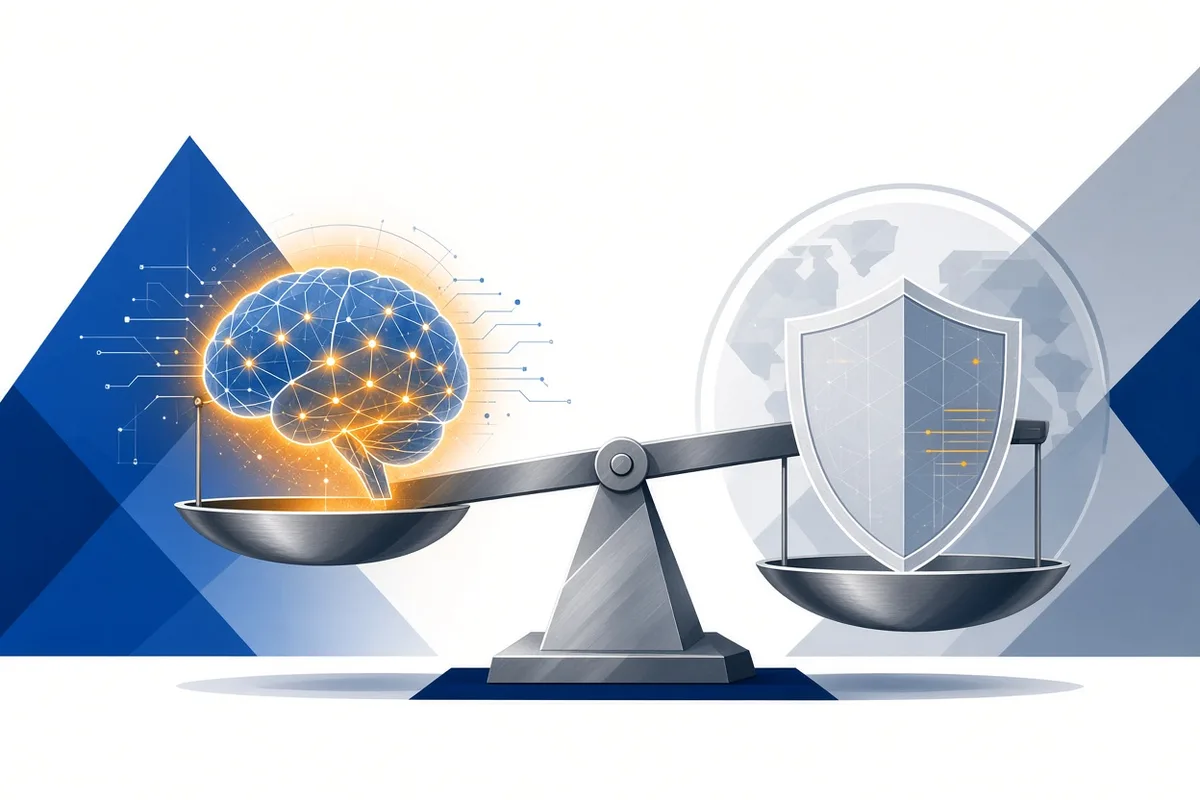
Debate over artificial-intelligence safety has intensified as OpenAI and Anthropic leaders and other technology executives call for stronger safeguards or slower frontier development, while critics argue such warnings could protect incumbent companies and influence regulation in their favor. Palantir CTO Shyam Sankar criticized efforts by what he called a small group of “Effective Altruists” and technocrats to determine the pace of technological progress, and other critics questioned whether industry warnings are partly driven by business or initial-public-offering interests. President Donald Trump has rejected fears of rogue or uncontrollable AI as a “hoax” and a “SICK conspiracy,” arguing that regulation would weaken the United States and benefit China, while saying presidential leadership is sufficient oversight. Congress has not enacted comprehensive AI legislation, and lawmakers are not expected to reach agreement before the midterm elections; AI companies are lobbying for preferred federal, state and international rules while supporting some forms of self-regulation. China continues pursuing advanced AI despite U.S. chip restrictions, Germany opposes halting development because it says that would undermine Europe’s digital sovereignty, and Berlin favors international coordination involving the United States, China and the G7 rather than a moratorium. Nvidia, Palantir and Booz Allen are also tightening controls on some commercial AI models over concerns that providers could retain or learn from sensitive corporate data.
Where do you stand?