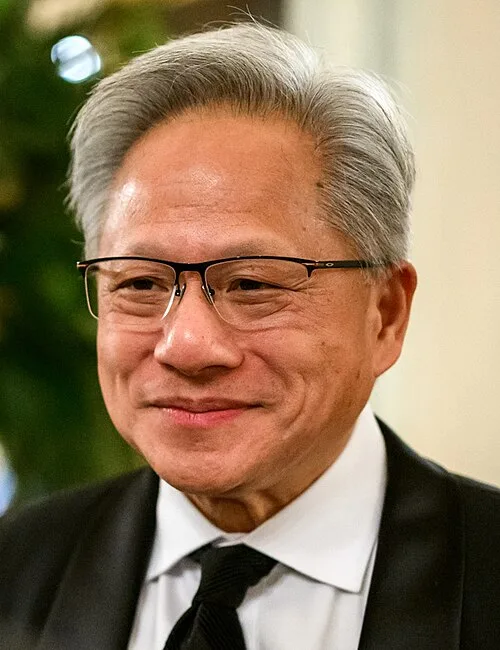



Nvidia Lawyer Cited Official to Pause Megaspeed Chip Probe
60 sourcesUpdated Nov 11, 20261 min read
The Commerce Department paused its probe of Singapore-based Megaspeed, suspected of diverting restricted Nvidia AI chips to China, after Nvidia general counsel Tim Teter contacted investigators and cited senior Commerce official Jeff Kessler; the Justice Department later took over the criminal inquiry. Nvidia CEO Jensen Huang acknowledged an affair with Megaspeed’s former executive Alice Huang, whom U.S. officials have reportedly suspected of links to Chinese intelligence, though the allegations remain unverified and China has rejected them. Nvidia’s board opened an independent inquiry into whether its CEO was targeted, said it had no indication confidential information or U.S. national security was compromised, and expressed confidence in Huang; Commerce and Nvidia said their interactions were appropriate. Megaspeed denies illegal transfers and says U.S., Malaysian and Nvidia inspections found no violations; Singapore confirmed an investigation into the company but said it was not investigating Alice Huang personally. The case has prompted bipartisan demands in Washington for answers, a classified briefing and possible congressional questioning, while proposed restrictions on chip sales to China were left out of the latest defense bill and could be revisited next year. A shareholder lawsuit alleges Nvidia and Huang misled investors by failing to disclose the relationship and related risks, as Nvidia shares fell amid the revelations; Alice Huang and a partner reportedly pitched investors on a data-center project promising access to Nvidia chips and named Alibaba as a prospective customer.
Where do you stand?
How it spread
What each side asserts, disputes — or leaves out entirely.
Whose framing of this story rings truest to you?
Left· 7 sources
“Nvidia Intervened in US Government Probe: Report”Center· 4 sources
“NVIDIA is being investigated after a possible Chinese probe”Right· 7 sources
Regulators need to keep pressure on both companies until the chip diversion claims are fully cleared, no matter what Megaspeed threatens to sue over.
The board's quick dismissal of any national security breach feels too convenient given the alleged personal ties and intelligence concerns.