



Treasury Yields Breach 5%, Investors Eye 6%
10 sourcesUpdated Sep 24, 2026
Sponsored
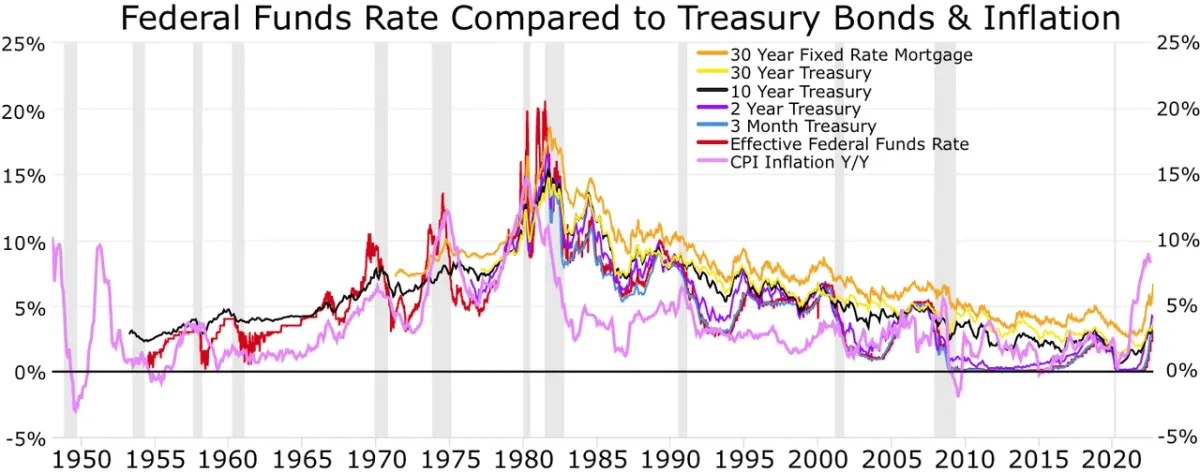
The 10-year U.S. Treasury yield—the interest rate on benchmark government debt—briefly rose above 5% this month. The Treasury market is valued at around $29 trillion. Wall Street stocks retreated as yields surged, and Treasury auctions struggled to find buyers. The last time the 10-year yield broke above 5%, the MSCI world stocks index lost about half its value before the global financial crisis. A spike to around 6.8% earlier coincided with the dotcom bubble bursting. Investors say 5% is a psychological marker, not an automatic trigger, and that risk depends partly on how bond yields compare with stocks’ earnings yields. JPMorgan analysts say acute equity pressure could fall between 5.5% and 6%, citing structural changes including growth of AI, healthcare and services. Global stocks historically came under pressure when the 10-year yield averaged around 4.72% over 12 months; the current 12-month average is around 4.34%. A sustained rise has been linked to persistent inflation, concerns about U.S. government finances, or expectations that interest rates will stay high.
Where do you stand?
How it spread
What each side asserts, disputes — or leaves out entirely.
Whose framing of this story rings truest to you?
Left· 0 sources
No left coverage yet — a bubble gap.
Center· 1 source
“As five pct Treasury yields lose shock value, investors start worrying about six pct”Right· 4 sources
“Treasury Yields Breach 5%, Investors Eye 6%”Stocks could hold up better than expected around 5.5 percent because the economy has shifted and can tolerate tighter rates.
If yields push toward 6 percent, borrowing costs for homes and businesses will keep rising and weigh on growth.